

Ventilation ducts: regulations and characteristics

Ventilation ducts and regulatory requirements. Types of ventilation (hybrid/mechanical) and products in the current market.
The aerator as a regulated ventilation system

The aerator is a continuous and regulated ventilation system that allows the admission of air flow while preventing the entry of water, insects, or birds.
Fan: criteria for its selection
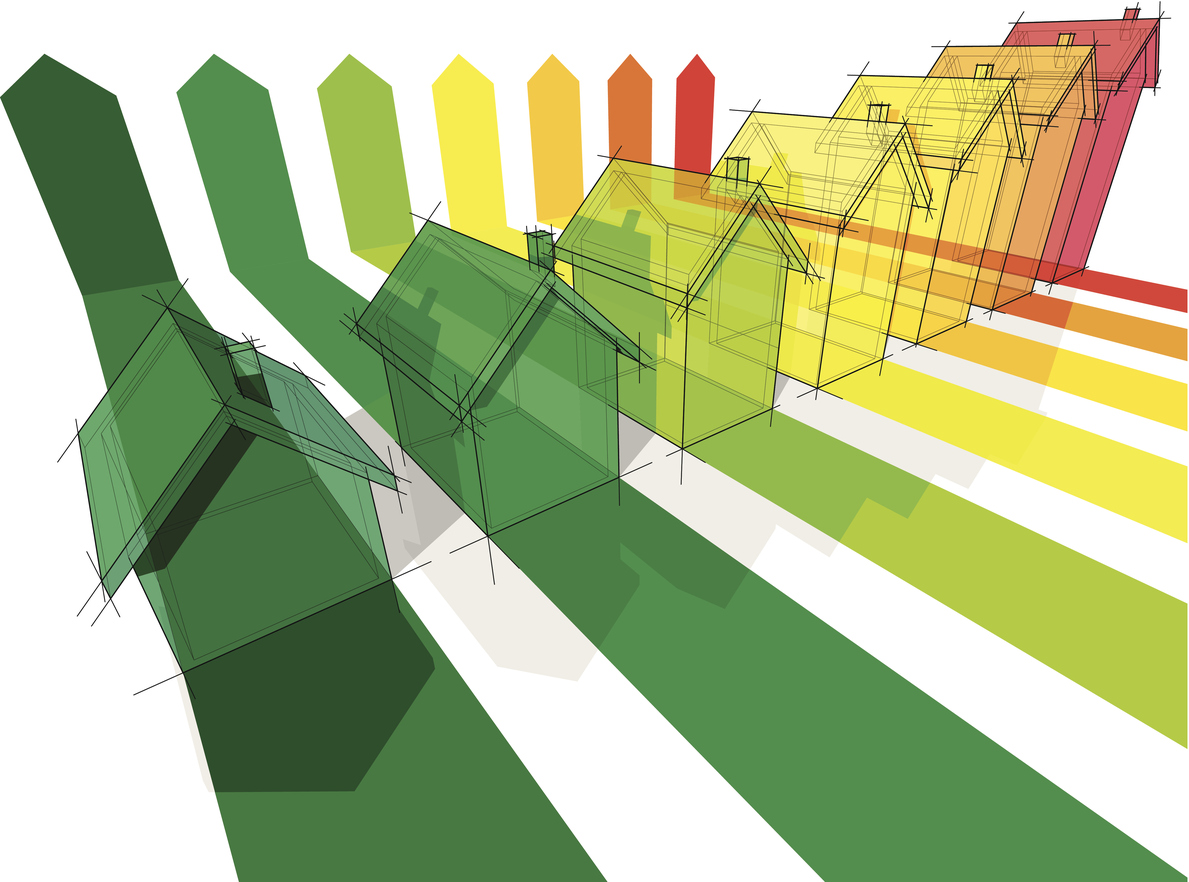
Fan: a fundamental element in a ventilation system, the different types and the measures that can be adopted to reduce energy demand
Low consumption heating: advantages of double flow ventilation

Low consumption heating must be accompanied by an efficient ventilation system that facilitates energy savings in the home.
CTE HR Why is the Technical Code so demanding in matters of noise protection?

The CTE HR is concerned with the comfort of people, which depends on the quality of the indoor environment, that is, the quality of air and acoustic insulation.
What should be the ideal humidity level at home?

The ideal humidity level at home is in a range between 40% and 60% relative humidity. Discover how to achieve the ideal level
Hygrometry: what it is and what effects it has on health
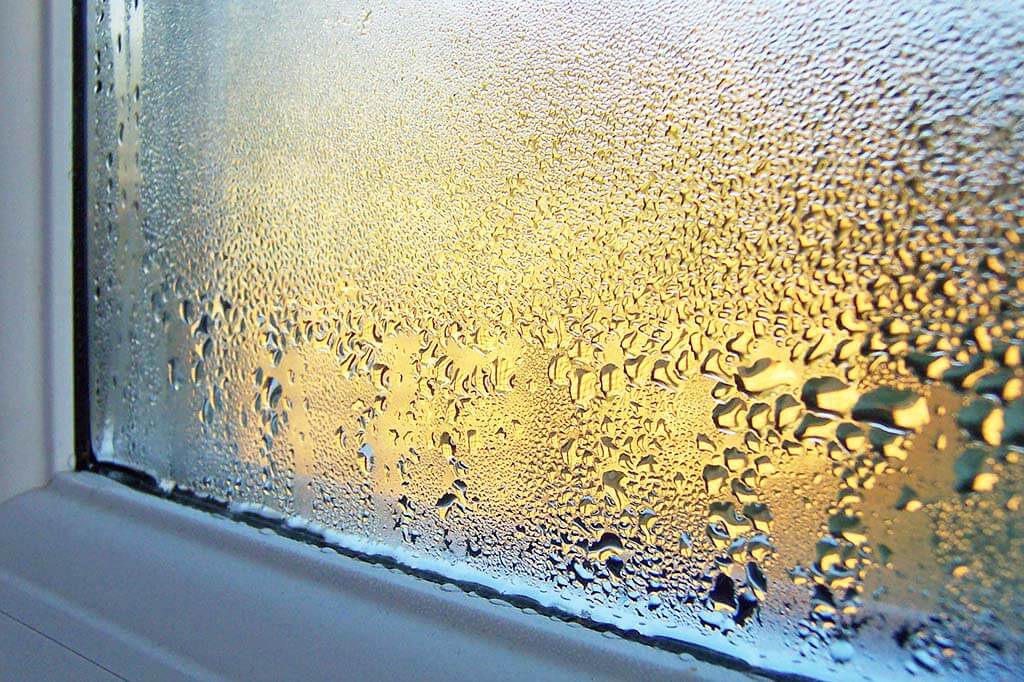
Concept of hygrometry, causes of excess humidity, effects on people's health, and possible solutions to the problem.
Read moreRectangular tube: installation and maintenance recommendations

Do you know how the rectangular tube of your ventilation system should be? Recommendations to promote energy savings, regulations, and maintenance.
The smoke outlet in the restaurant sector

Applicable regulations for the smoke outlet in the restaurant sector. CTE DB HS 3 Indoor air quality and CTE DB SI Fire safety.
Read moreTypes of air filters used in ventilation systems

The different types of air filters used in ventilation systems allow for control of the number of suspended particles