
Sistemas de ventilación con caudal constante, ¿cómo funcionan?
La ventilación mecánica suele variar los flujos de aire que se extrae o se introduce en una estancia para mejorar el confort y la salud de quienes la habitan. Aun así, lo que realmente queremos garantizar en nuestros hogares y en entornos privados no es el flujo de aire introducido o extraído, sino el caudal necesario. Porque según las circunstancias de los ventiladores o de otras causas externas, para mantener un caudal será necesario que se aporte un mayor flujo de aire. Y para eso existen los sistemas de ventilación con caudal constante.
Lo que se desea asegurar con estos sistemas es que siempre se dé el mismo caudal, aunque cambie la situación del aparato allá donde se haya instalado. Si, por ejemplo, se han ensuciado los filtros de aire o las aspas del ventilador, se producirá una pérdida de carga, siendo el caudal erróneo y perdiendo la eficiencia necesaria, lo que repercute en una pérdida de confort e incluso puede llegar a ser molesto. Los sistemas de ventilación con caudal constante, en cambio, vencerán este problema al incrementar la velocidad del ventilador para asegurar un mismo caudal.
Es por ello que las soluciones con caudal constante se utilizan en lugares donde se requieran unas condiciones excelentes, como pueden ser recintos públicos e incluso quirófanos en hospitales, pero también en nuestras viviendas, donde sin duda pasamos mucho tiempo.
Los sistemas de ventilación con caudal constante son habituales en las soluciones de monoflujo, y es habitual que se las denomine CAV por sus siglas en inglés: Constant Air Ventilation. Pero eso no significa que las opciones de caudal constante sean exclusivas de los sistemas de un único flujo.
 La ventilación mecánica de doble flujo tiene dos ventiladores, uno que aporta aire desde el exterior y otro que extrae el aire viciado del interior. Se trata del sistema más completo al no limitarse únicamente a la extracción. Pero para que el sistema funcione en sus mejores condiciones, la ventilación ha de ser equilibrada.
En los sistemas de doble flujo no pueden haber pérdidas de carga o de energía, y se han de sobrepasar problemas de depresión o sobrepresión. Si ello ocurriese, no podría garantizarse el mismo rendimiento térmico y el confort necesario. Por ello, el caudal ha de ser constante. Y en el sector es habitual concienciarse en la necesidad de que no basta con tener un sistema con flujo constante.
El sistema de ventilación de doble flujo patentado por Siber Zone usa ventiladores con corriente continua, a reacción (con aspas inclinadas hacia atrás) y con caudal constante. De esta forma, sí que podemos asegurar las condiciones necesarias para mantener la misma eficiencia. Todo ello además se traduce en los siguientes beneficios:
La ventilación mecánica de doble flujo tiene dos ventiladores, uno que aporta aire desde el exterior y otro que extrae el aire viciado del interior. Se trata del sistema más completo al no limitarse únicamente a la extracción. Pero para que el sistema funcione en sus mejores condiciones, la ventilación ha de ser equilibrada.
En los sistemas de doble flujo no pueden haber pérdidas de carga o de energía, y se han de sobrepasar problemas de depresión o sobrepresión. Si ello ocurriese, no podría garantizarse el mismo rendimiento térmico y el confort necesario. Por ello, el caudal ha de ser constante. Y en el sector es habitual concienciarse en la necesidad de que no basta con tener un sistema con flujo constante.
El sistema de ventilación de doble flujo patentado por Siber Zone usa ventiladores con corriente continua, a reacción (con aspas inclinadas hacia atrás) y con caudal constante. De esta forma, sí que podemos asegurar las condiciones necesarias para mantener la misma eficiencia. Todo ello además se traduce en los siguientes beneficios:
Sistemas de ventilación con caudal constante en doble flujo
La ventilación mecánica de doble flujo tiene dos ventiladores, uno que aporta aire desde el exterior y otro que extrae el aire viciado del interior. Se trata del sistema más completo al no limitarse únicamente a la extracción. Pero para que el sistema funcione en sus mejores condiciones, la ventilación ha de ser equilibrada.
En los sistemas de doble flujo no pueden haber pérdidas de carga o de energía, y se han de sobrepasar problemas de depresión o sobrepresión. Si ello ocurriese, no podría garantizarse el mismo rendimiento térmico y el confort necesario. Por ello, el caudal ha de ser constante. Y en el sector es habitual concienciarse en la necesidad de que no basta con tener un sistema con flujo constante.
El sistema de ventilación de doble flujo patentado por Siber Zone usa ventiladores con corriente continua, a reacción (con aspas inclinadas hacia atrás) y con caudal constante. De esta forma, sí que podemos asegurar las condiciones necesarias para mantener la misma eficiencia. Todo ello además se traduce en los siguientes beneficios:
- Una disminución del consumo eléctrico.
- Una mejor comodidad acústica sin ruidos.
- Un mantenimiento más sencillo de los ventiladores.
Caudal constante estándar o con corriente continua
En los sistemas de ventilación con caudal constante más comunes, las turbinas de los ventiladores centrífugos tienen aspas curvadas hacia delante -inclinadas en el mismo sentido de la rotación de la rueda-, y así es relativamente simple calcular el caudal del ventilador sobre la base del par y de la velocidad de rotación. El par de este tipo de ventiladores aumenta proporcionalmente al cuadrado de la velocidad de rotación, y el resultado es una curva de potencia a la que podemos otorgarle, para cada punto, una presión. Y eso nos permite entonces determinar el caudal de aire. Los nuevos sistemas Siber varían al funcionar con corriente continua a reacción, con aspas en los ventiladores inclinadas hacia atrás, en el sentido inverso de la rotación. A diferencia de los ventiladores con aspas inclinadas hacia delante, el par de estos ventiladores no aumenta proporcionalmente al cuadrado de la velocidad de rotación. Es por ello que no se puede determinar la presión y tampoco el caudal de aire asociado. La solución alternativa consiste en una medida de diferencial de presión. Las presiones se recogen en dos puntos distintos, uno en el diámetro interno y el otro en el diámetro externo del ventilador. Su diferencial permite calcular el caudal de aire asegurado por los motores de los ventiladores. Gracias a estos sistemas de ventilación de caudal constante en doble flujo, los ruidos son menores y la eficiencia energética mayor, por lo que se ahorra energía y se gana en confort.Los sistemas de ventilación con caudal constante se adaptan a las necesidades reales de ventilación y evitan pérdidas de carga o de eficiencia.

Siber Ventilación
Fabricante de Sistemas de Ventilación con Alta Eficiencia Energética. Siber, provee un conjunto de soluciones de alta eficiencia energética en ventilación eólica y mecánicamente inteligente, mejorando la Salud, Higiene y Confort de las personas, siendo respetuoso con el medio ambiente.
Entradas relacionadas
eficiencia energética
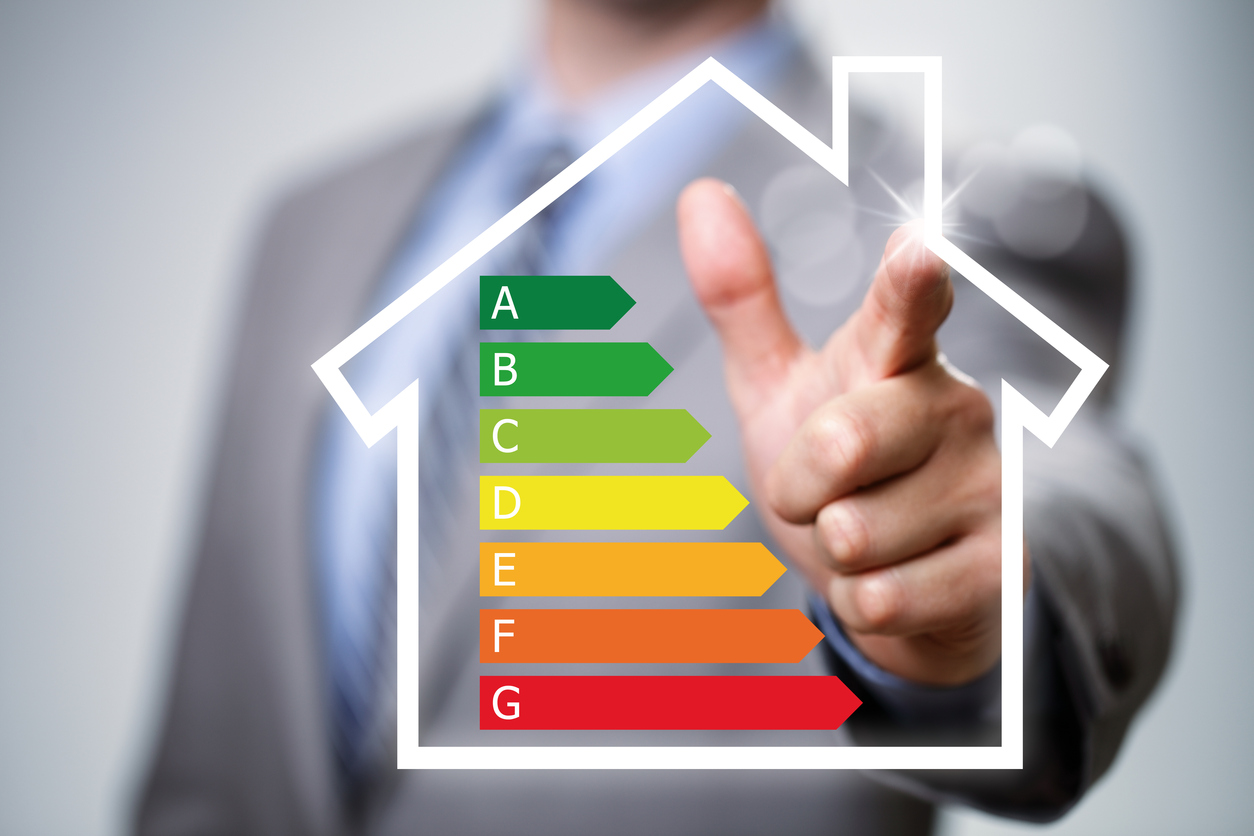
Eficiencia energética y sostenibilidad
Normativas de ventilación
recuperador de calor
El equilibrio térmico: uno de los objetivos de la normativa vigente
Equilibrio térmico de las viviendas según las normativas vigentes (el RITE y el CTE DB HE Ahorro de energía) para asegurar una correcta ventilación


Andrey López
Asesor de tecnología
Ingeniero de software, asesor tecnológico y escritor especializado en transformación digital, arquitectura de software e innovación. Durante más de una década ha acompañado a organizaciones públicas y privadas en el diseño e implementación de soluciones tecnológicas orientadas a optimizar procesos, mejorar la toma de decisiones y generar valor a través de los datos.
Como autor, busca traducir conceptos complejos en ideas prácticas y accesibles para profesionales, estudiantes y líderes que desean comprender el impacto de la tecnología en los negocios y la sociedad.