Buildings are the biggest polluters in our cities

superadmin
September 19, 2018
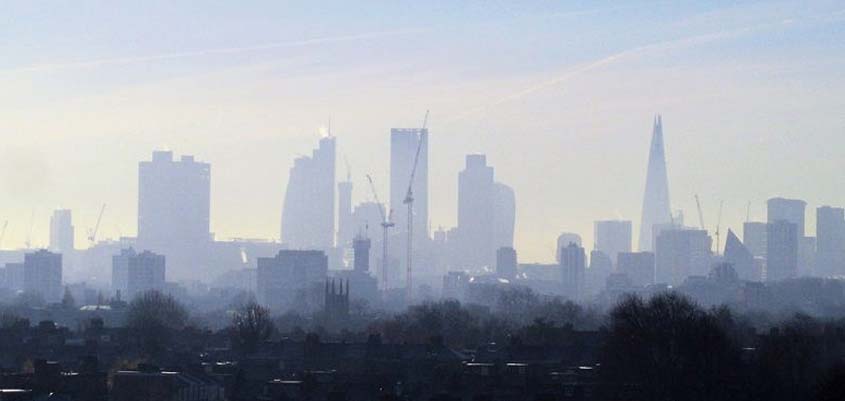
What is the main cause of pollution in cities? Many think it has to be the circulation of cars, buses, and other types of road transport. Others think that human activity in our urban areas is the factor responsible for high levels of pollution. But beyond that, the ones who most dirty the environment are all of us, due to indoor activities. Especially because of the polluting buildings that exist in all urban cores.
It is estimated that buildings are responsible for up to 50% of the pollution generated in cities, although this depends on their size, location, and various other factors. This makes houses, businesses, offices, and other locations the main group responsible for the pollution we suffer in our cities.
Within the pollution generated by buildings, we have to differentiate between two major sources of pollution:
- The construction process. The first contaminating element of buildings is the ecological cost of their construction. Especially due to the energy needed, the materials used, and the degradation of the environment. To address this, many options for creating sustainable homes opt for environmentally friendly materials, as happens with bioclimatic houses. Some specialized seals in sustainable houses, although they usually focus on cutting energy costs, also provide guidance on how to mitigate the ecological damage of construction.
- The use of the building in its useful life. This is the main cause of why houses and other premises are responsible for up to half of the total pollution in cities. Mainly due to the polluting buildings that are decades old and consume a tremendous amount of energy. And while there is currently a strong push to create ecological buildings that are environmentally friendly, the housing stock in Spain is still very old, with two-thirds of buildings more than two decades old.
To minimize the impact of buildings on pollution, we must work, above all, on improving internal spaces so that we generate less pollution. Especially in air conditioning, since the greatest energy expenditure in our homes is due to the consumption of electricity by air conditioning systems in summer and heating systems in winter.
Depending on how a building is constructed, it can be highly polluting or reach minimal or almost zero consumption. And that is precisely one of the challenges that administrations have to raise awareness among citizens about how they should implement ecological measures in their homes that generate less waste and polluting emissions.
Moreover, a non-polluting building has minimal supply costs, so the savings for the end-user are significant. This makes the investment in ecological energy systems also an incentive for those who will inhabit the buildings.
Considering that air conditioning is the household expenditure that requires the most energy, the ideal is to opt for buildings with high airtightness, which do not allow heat to pass in summer or cold in winter. It is also necessary to have a double flow mechanical ventilation system if we want to keep our homes at an optimal temperature in most situations. Ventilation systems also ensure the salubrity of the air we breathe.
Measures against polluting buildings
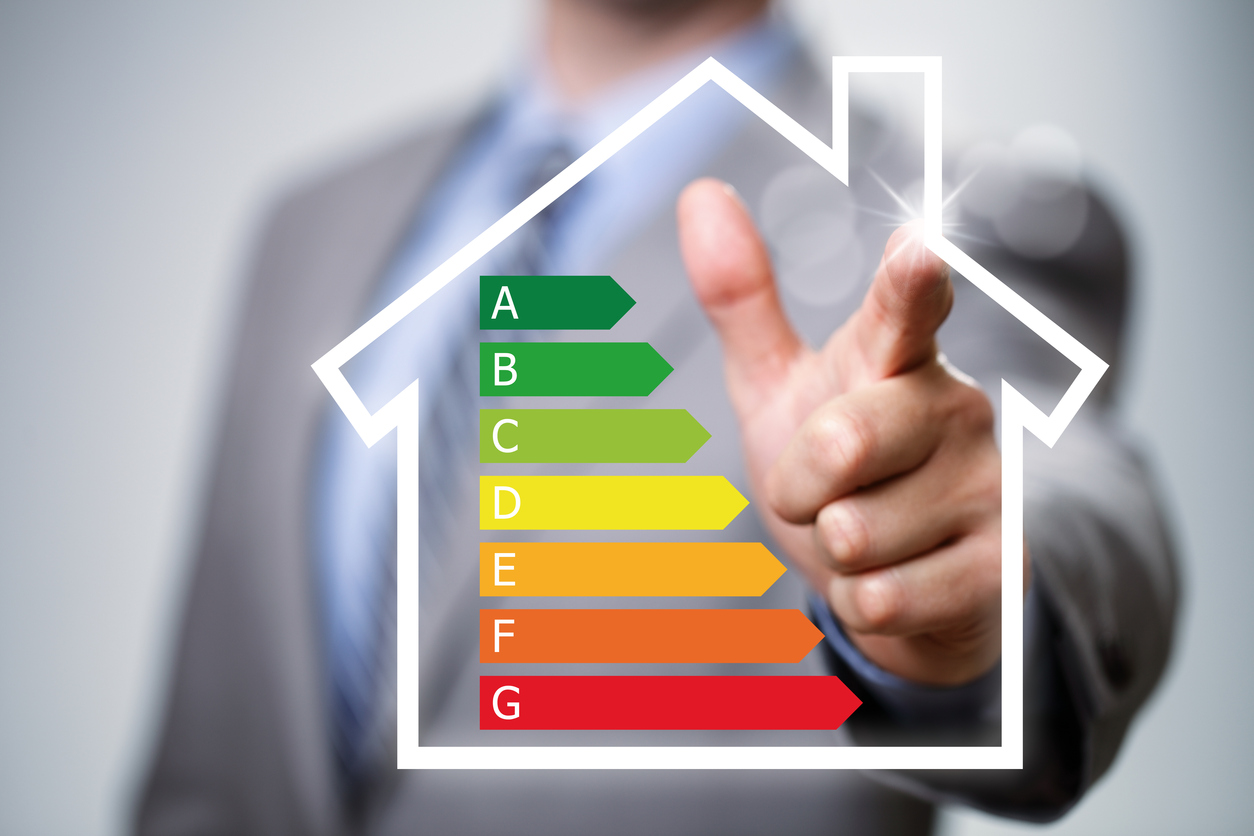
As we have said, buildings that choose to install energy-saving measures consume much less, so the investment is easily recovered. Unfortunately, many of the buildings built in the past in our cities were constructed with a focus on cost savings rather than energy consumption.However, the landscape is changing. Starting in 2020, in Spain all buildings created must be Almost Zero Energy Buildings. This will lead to a change promoted by the European Union and will facilitate the implementation of energy measures in all homes, businesses, and workplaces. Some of the requirements will be to have renewable energy sources, mechanical ventilation systems, high airtightness, or construction materials that prioritize lower resource consumption.
Likewise, the opposite of polluting buildings are alternatives like passive houses such as Passivhaus or homes certified by the BREEAM seal. Both certification options are among the most important to ensure minimal consumption and that buildings begin to stop being the main source of pollution in our cities.

Siber Ventilation
Related posts