The CTE Adapts to Nearly Zero Energy Buildings
superadmin
August 24, 2018
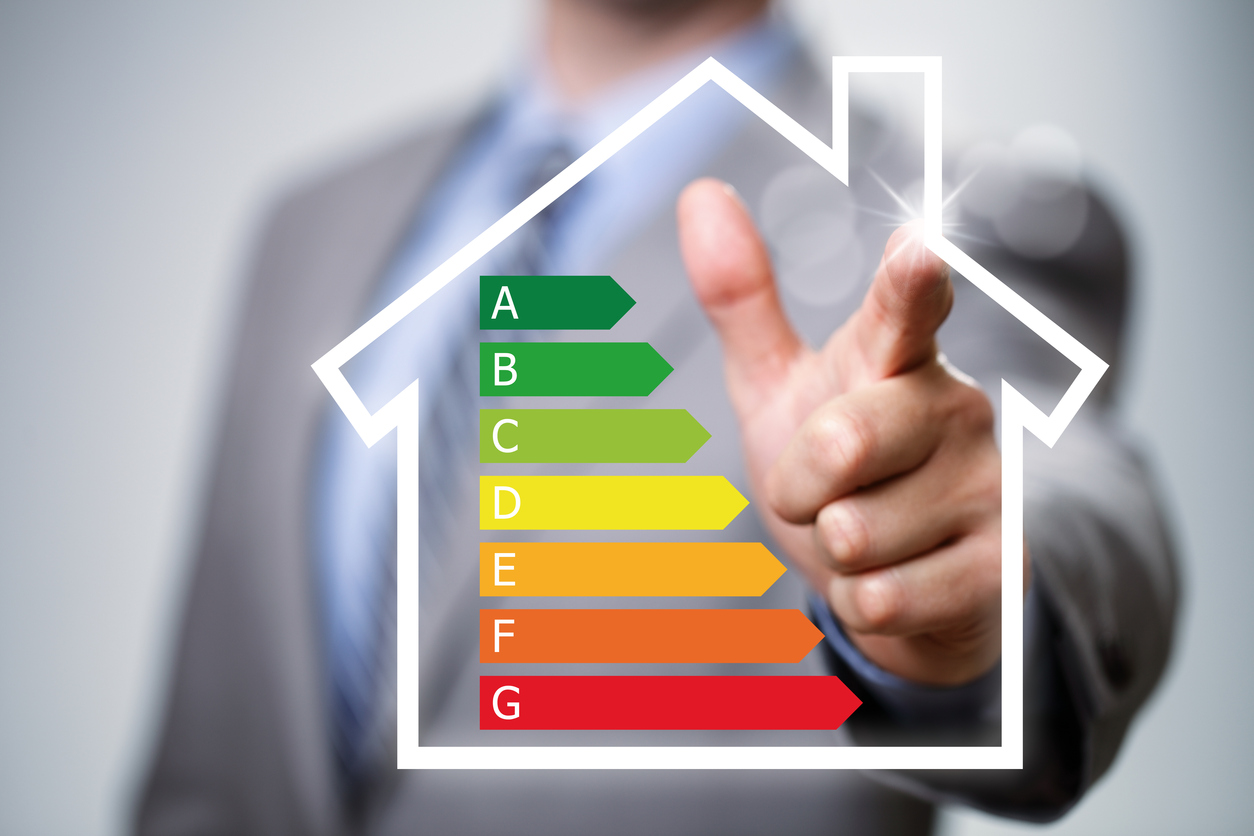
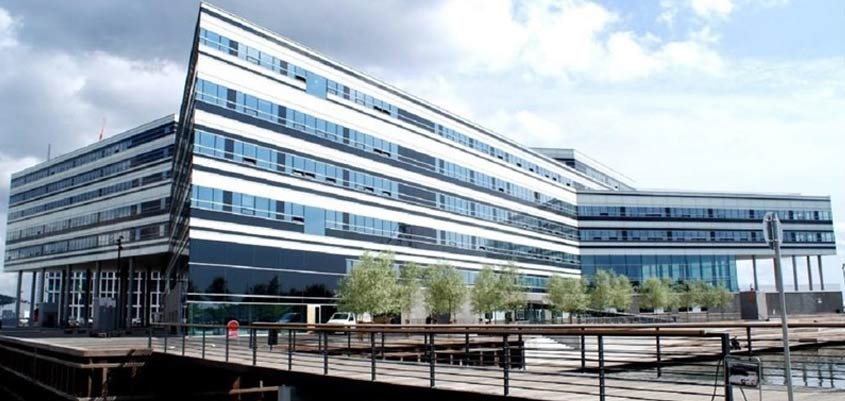
Since this year, the Nearly Zero Energy Building is a requirement in the construction of public buildings. The regulation stems from the European Union with the goal of minimizing energy use in buildings, as worldwide, one-third of total energy expenditure is generated indoors. Until now, the guidelines for constructing these types of buildings - which will be mandatory for all types of works in 2020 - were included in European legislation under the 2010/31/EU Directive. Now, the Technical Code for Construction (CTE) has been updated to comply with this requirement.
In this way, the Spanish construction sector now has clearer rules to consider. Furthermore, they are required to follow guidelines laid down by Spanish regulations. For this purpose, the Ministry of Development has published a Project for a Royal Decree which modifies the previous Royal Decree 314/2006 of March 17, approved under the Technical Code for Construction.
What does this mean? Basically, the modification reviews and updates energy efficiency requirements within the CTE, adapting to European regulations. One of the requirements is to review and update energy requirements at intervals not exceeding five years, in order to adapt them to advancements in construction technology.
These energy efficiency requirements are found within the Basic Document HS, concerning health in buildings, and the Basic Document HE, concerning energy in buildings. The modification specifies changes such as:
- Limitation of energy consumption.
- Energy demand control.
- Conditions for thermal installations.
- Conditions for lighting installations.
- Minimum renewable energy contribution for domestic hot water demand.
- Generation of electrical energy.
What does the CTE modification for Nearly Zero Energy Buildings include?
The modification by Project of Royal Decree can be read here, focusing on aspects related to energy and health, taking into account Directive 2010/31/EU. What highlighted changes does it propose?- Basic requirement HS 6: Protection against exposure to radon. In this case, buildings must have adequate means to limit the foreseeable risk of inappropriate exposure to radon from the ground in enclosed spaces. It is worth remembering that radon gas is a poison that, being very difficult to detect, is the second leading cause of lung cancer. Many Spanish homes are affected by this poison.
- Article 15 in the Basic Document HE. Basic energy saving requirements. It urges achieving a rational use of the energy necessary for the use of buildings, reducing consumption to sustainable limits. Part of this consumption must come from renewable energy sources, and these must be included in the design and construction of the building itself. The Basic Document DB HE specifies objective parameters and procedures to ensure the minimum quality standards without spending more than necessary.
- Basic requirement HE 0: Limitation of energy consumption. It urges that the energy consumption of buildings be limited based on the climatic zone of their location or the use of the building. Part of the consumption must come from renewable energy sources.
- Basic requirement HE 1: Conditions for energy demand control. Buildings must have an envelope with characteristics that limit the needs for primary energy to achieve thermal comfort based on the area. For example, a ventilated roof.
- Basic requirement HE 2: Conditions for thermal installations. These must be appropriate to achieve the thermal comfort of the inhabitants, as specified in the Regulations for Thermal Installations in Buildings (RITE).
- Basic requirement HE 3: Conditions for lighting installations. It not only specifies what lighting conditions are necessary but also urges the use of natural light and the specific use of a particular type of equipment.
- Basic requirement HE 4: Minimum renewable energy contribution to meet the demand for domestic hot water. As previously discussed, heating water for sanitary purposes must have some recovery system to save energy.
- Basic requirement HE 5: Minimum generation of electrical energy. For example, with solar panels.

Siber Ventilation
Related posts