Moisture in the ground, why do the tiles lift?
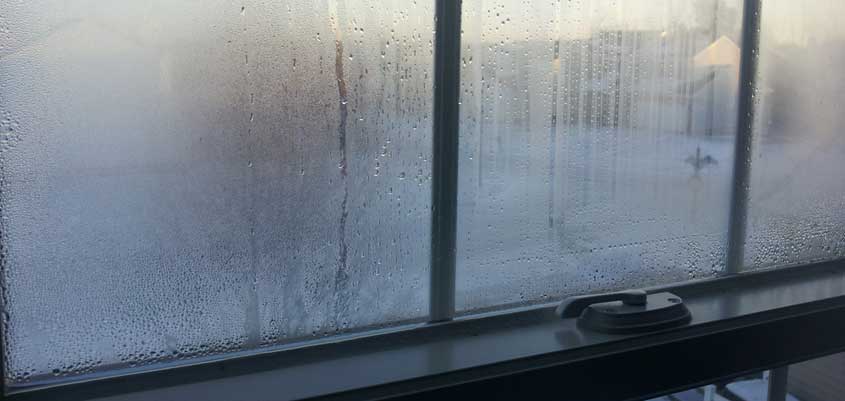
In the proper care of the home lies the avoidance of damaging any fundamental part of the structure of our houses. However, it is not often thought that the ground or the ceiling could have problems. Even so, both can suffer from excess water vapor in the air. And while on the ceilings it leaves marks and perhaps mold, the moisture in the ground can cause adversities such as the tiles lifting.
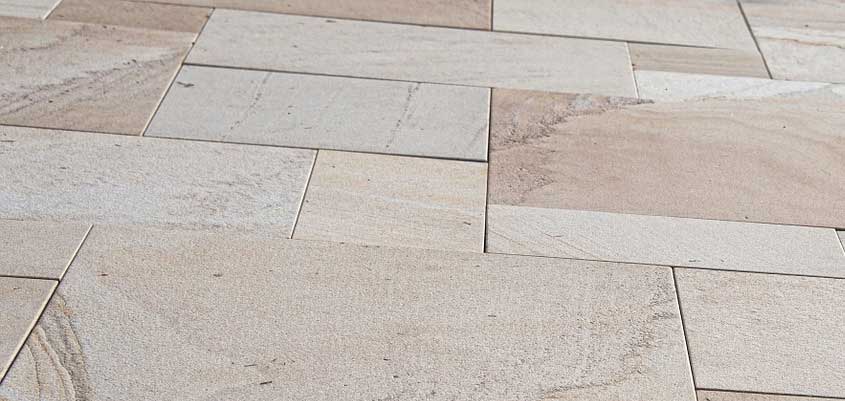
As strange as it may seem, on any given day, a part of the tiles on the home floor can appear lifted. It doesn’t have to be the entire floor; it can just be a section. This also affects wooden floors, but is truly surprising in terrazzo tiles. Since, to lift, those tiles must have pulled up the cement with which they were glued to the floor and each other.
The cause of the tiles lifting -or the laminate planks- is usually largely due to moisture. And we must watch for this happening in our home, as we likely have a problem that we should address.
 If the tiles lift, it can indicate poor installation, but it could also mean that something really negative is occurring under the tiles. Since it usually concerns moisture in the ground, it is recommended to lift the entire floor, remove all the tiles, and then carefully inspect what is happening and how to solve the problem.
Normally, when the tiles start to lift, the cause is usually moisture in the ground. However, how did it get to this point? Such water vapors in the air can come through the ground itself, which usually indicates a larger problem.
Excess moisture, which can end up affecting the surface where the tiles are installed, can be due to some leak in pipes that go through the floor, or even in the walls. To know what has happened, the first step is to remove the lifted tiles and inspect their condition.
From there, the ground where the tiles were installed, known as substrate, needs to be carefully examined. This is generally cement, though it can be metallic or wood. The most important thing is to check for any signs of mold or moisture. Before reinstalling the tile, it is necessary to remove the mold using some specific substance for this purpose.
In some cases, this may temporarily solve the problem. But if there is a leak -and the moisture in the ground often indicates such a problem-, it will be necessary to detect what has gone wrong and try to fix it.
Other causes beyond moisture in the ground
Normally, when it is not due to moisture in the ground, if the tiles have lifted, it is usually due to a problem with a bad installation of the terrazzo in the subfloor. Likewise, in many cases, what happens is that, due to not providing the necessary weather conditions for the specific floor, the moisture problem eventually appears.
Another common cause for tiles to lift is that the cement used to install the tiles shifts. Over time, this cement will expand, causing the tiles to detach. The way to find out if the culprit is the substrate used for installing the tiles is to analyze how the cement is doing. If the problem is serious, all the cement will need to be removed and replaced, though sometimes it is just the problem with the affected tiles.
There could also be the issue that the moisture in the ground that eventually lifts the tiles arises from having skimped on the cement used to set the ground. If enough cement wasn't used and voids were left, the likelihood of damaging over time and the tiles lifting is very real.
For all these cases, it is important to be able to inspect the ground and see what has occurred for the tiles to lift. Thus, it is necessary to lift the tiles and remove them. Patience is required to extract those loose tiles, as they can break. A small iron bar and a hammer may be used to make the task cleaner.
The affected tiles can be reused; just because they have lifted does not mean we must change the entire floor's terrazzo. However, before putting it back, the remaining cement needs to be sanded off, and the piece must be cleaned well.
Even so, the important problem to address when the tiles have lifted is to check what has caused the moisture in the ground and repair whatever has been damaged.


Siber Ventilation
Related posts