O CTE adapta-se aos Edifícios de Consumo Quase Nulo
superadmin
August 24, 2018
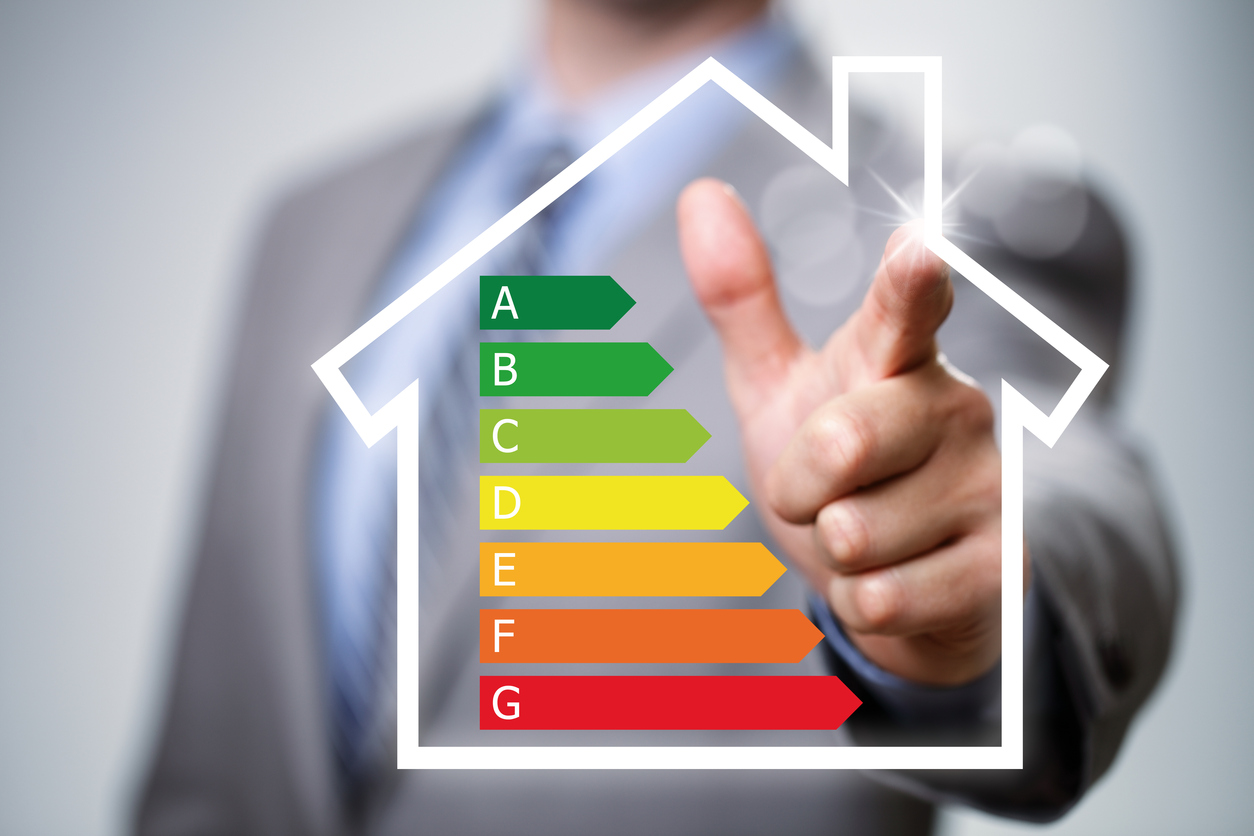
Desde este ano, a Edificação de Consumo Quase Nulo é uma obrigatoriedade na construção de edifícios de caráter público. A normativa procede da União Europeia com o máximo de evitar o uso de energia nos edifícios, já que a nível mundial um terço do gasto total energético se gera em interiores. Até agora, as diretrizes para construir este tipo de edifícios -e que serão obrigatórias para todo o tipo de obras em 2020- estavam recolhidas na legislação europeia, dentro da Diretiva 2010/31/UE. Agora, o Código Técnico da Edificação (CTE) foi atualizado para cumprir com esta obrigatoriedade.
Desta maneira, o setor da construção espanhol já tem regras mais claras a ter em conta. Além disso, que obrigam a seguir umas diretrizes a partir da própria normativa espanhola. Para isso, o ministério de Fomento publicou um Projeto de Real Decreto pelo qual se modifica o anterior Real Decreto 314/2006 de 17 de março, aprovado no Código Técnico da Edificação.
O que significa isto? Basicamente, a modificação revisa e atualiza os requisitos em eficiência energética dentro do CTE, adaptando-se à normativa europeia. Uma das obrigatoriedades é a de rever e atualizar os requisitos energéticos em períodos que não superem os cinco anos, para assim poder adaptá-los aos avanços tecnológicos da construção.
Estes requisitos em energia eficiente encontram-se dentro do Documento Básico HS, de salubridade nos edifícios, e do Documento Básico HE, de energia nos mesmos. Na modificação especificam-se mudanças como:
- Limitação do consumo de energia.
- Controle da demanda energética.
- Condições das instalações térmicas.
- Condições das instalações de iluminação.
- Aporte mínimo de energia renovável para a demanda de água quente sanitária.
- Geração de energia elétrica.
O que inclui a modificação do CTE para Edifícios de Consumo Quase Nulo?
A modificação por Projeto de Real Decreto pode ser lida aqui, e centra-se nos aspectos relacionados com a energia e a salubridade, tendo em conta a Diretiva 2010/31/UE. Quais mudanças destacadas propõe?- Exigência básica HS 6: Proteção frente à exposição ao radão. Neste caso, exige-se que os edifícios devem dispor de meios adequados para limitar o risco previsível de exposição inadequada a radão proveniente do terreno em recintos fechados. Cabe recordar que o gás radão é um veneno que, sendo muito difícil de detectar, é a segunda maior causa de câncer de pulmão. E muitos lares espanhóis estão afetados por este veneno.
- Artigo 15 no Documento Básico HE. Exigências básicas de poupança de energia. Instiga-se a conseguir um uso racional da energia necessária para a utilização dos edifícios, reduzindo a limites sustentáveis seu consumo. Parte deste consumo deve proceder de fontes de energia renovável, e estas devem estar incluídas no projeto e na construção do próprio edifício. O Documento Básico DB HE especifica parâmetros objetivos e procedimentos para assegurar os mínimos de qualidade exigíveis sem gastar mais do que o necessário.
- Exigência básica HE 0: Limitação do consumo energético. Insta-se que o consumo energético dos edifícios seja limitado em função da zona climática da sua localização ou o uso do edifício. Parte do consumo deve proceder de fontes de energia renovável.
- Exigência básica HE 1: Condições para o controle da demanda energética. Os edifícios devem contar com uma camada envolvente térmica de características que limitem as necessidades de energia primária para alcançar o bem-estar térmico em função da zona. Como, por exemplo, a cobertura ventilada.
- Exigência básica HE 2: Condições das instalações térmicas. Devem ser as apropriadas para alcançar o bem-estar térmico dos habitantes, tal como especifica o Regulamento de Instalações Térmicas em Edifícios (RITE).
- Exigência básica HE 3: Condições das instalações de iluminação. Não só se especifica que condições luminosas são necessárias, como também se insta ao aproveitamento da luz natural e ao uso específico de um tipo de equipamento em particular.
- Exigência básica HE 4: Contribuição mínima de energia renovável para cobrir a demanda de água quente sanitária. Como comentamos anteriormente, o aquecimento de água para fins sanitários deve contar com algum sistema de recuperação para poupar energia.
- Exigência básica HE 5: Geração mínima de energia elétrica. Por exemplo, com placas solares.

Siber Ventilação
Postagens relacionadas
Sistemas de ventilação com caudal constante, como funcionam?