Edifício doente, o que podemos fazer para evitar este mal?

superadmin
January 24, 2018
Normalmente referimo-nos a seres vivos quando dizemos que alguém está doente. No entanto, a Organização Mundial da Saúde quis adaptar o termo para referir-se também às habitações e centros de trabalho que poderiam ser prejudiciais para as pessoas. E começou a falar do que agora já é conhecido como a síndrome do edifício doente. Embora esta doença seja mais conhecida na sua forma inglesa,sick building syndrome.
Segundo o próprio organismo internacional, um edifício doente é aquele que padece um conjunto de doenças que foram originadas pela contaminação do ar em espaços fechados. E que tais doenças afetam as pessoas igualmente, que podem sofrê-las por culpa dessa contaminação.
As doenças e mal-estar que podem originar-se por culpa da síndrome do edifício doente costumam dar-se, tal como explica a Organização Mundial da Saúde, por uma contaminação do ar em espaços fechados. Por uma má ventilação, uma descompensação de temperaturas, por partículas em suspensão, por gases e vapores químicos ou mesmo devido aos aerossóis que se usam entre as suas paredes. Todos eles podem ser os causantes de que um edifício possa chegar a ser considerado doente.
O principal problema de um edifício doente é que, em relação ao seu nome, pode fazer com que adoecem aqueles que o habitam. As pessoas que estão afetadas por esta síndrome podem chegar a ter náuseas, tonturas habituais, constipações que não curam e irritações nas vias respiratórias e olhos, além de outras doenças.
O mal dos edifícios doentes pode ir ainda mais além. Como é o caso da contaminação por gás radão, que pode levar ao aparecimento de um câncer de pulmão sem haver avisado, uma vez que este veneno além disso é muito difícil de detectar.
Como saber se habitamos um edifício doente?
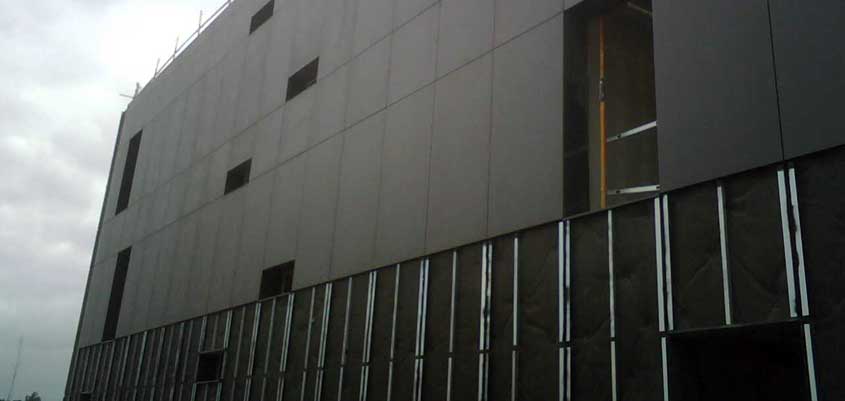
Em alguns casos será fácil identificar se estamos frente a um edifício doente e em outros será muito mais difícil de vislumbrar. Em muitos casos os únicos alertas são os malestares que sofrem aqueles que o habitam.
Como dado a ter em conta, o International Center for Indoor Environment and Energy (ICIEE) estima que o ar de má qualidade dos edifícios doentes aumenta em 5% as baixas laborais. Combatê-lo sai muito mais barato do que suportar as perdas em funcionários.
Quais são duas classificações iniciais de edifícios doentes?
- Edifícios temporariamente doentes. Estes casos são os menos importantes, uma vez que os efeitos danosos do imóvel irão desaparecendo com o tempo. Trata-se daqueles edifícios de nova construção ou recentemente renovados. Os materiais utilizados ainda se encontram no ar e devem ser expelidos pelos sistemas de ventilação paulatinamente.
- Edifícios sempre doentes. Seus efeitos danosos perduram no tempo. Nestes casos, o problema não vem da construção do edifício, mas de suas deficiências. Seja pelo deterioramento ou por falhas de design. Um mau sistema de ventilação, equipamentos de climatização pouco eficientes ou uma iluminação prejudicial podem ser importantes causantes. Também o abuso de sistemas de ar condicionado no verão de forma intensiva e depois de ter aquecido os ambientes no inverno até níveis demasiado elevados. Por outro lado, os edifícios doentes podem ter uma origem em gases que tenham sido emitidos através dos materiais de construção. É precisamente esse o caso do gás radão, filtrado através do solo e das paredes.
- Ar interior contaminado.
- Uso excessivo de sprays e perfumes.
- Uma ausência de luz natural compensada com um excesso de iluminação artificial. Muita luz também pode ser má ao refletir-se nos computadores dos trabalhadores.
- Uma má ventilação e escassa renovação do ar.
- Sistemas de ar condicionado ou aquecimento colocados em lugares pouco convenientes.
- Contaminação por culpa de químicos ou outras substâncias.
Um novo sistema de ventilação, capaz de retirar o ar, seria talvez a melhor alternativa. Os contaminantes devem sair do edifício doente e deve arejar-se a estancia. Os equipamentos que recuperem calor e minimizem o uso dos sistemas de climatização também são de boa ajuda.
Podem selecionar-se materiais para reformar um edifício doente que melhorem a situação do mesmo ao oferecer uma melhor eficiência energética. Se bem merece a pena saber qual é o problema de fundo, e também descartar problemas maiores, como uma possível contaminação por gás radão.

Siber Ventilação
Postagens relacionadas

CTE HR Por que é tão exigente o Código Técnico em matéria de proteção contra o ruído?

Como conseguir que o ar faça da sua casa um lugar confortável