Arquitectura de eficiencia energética y mayor calidad
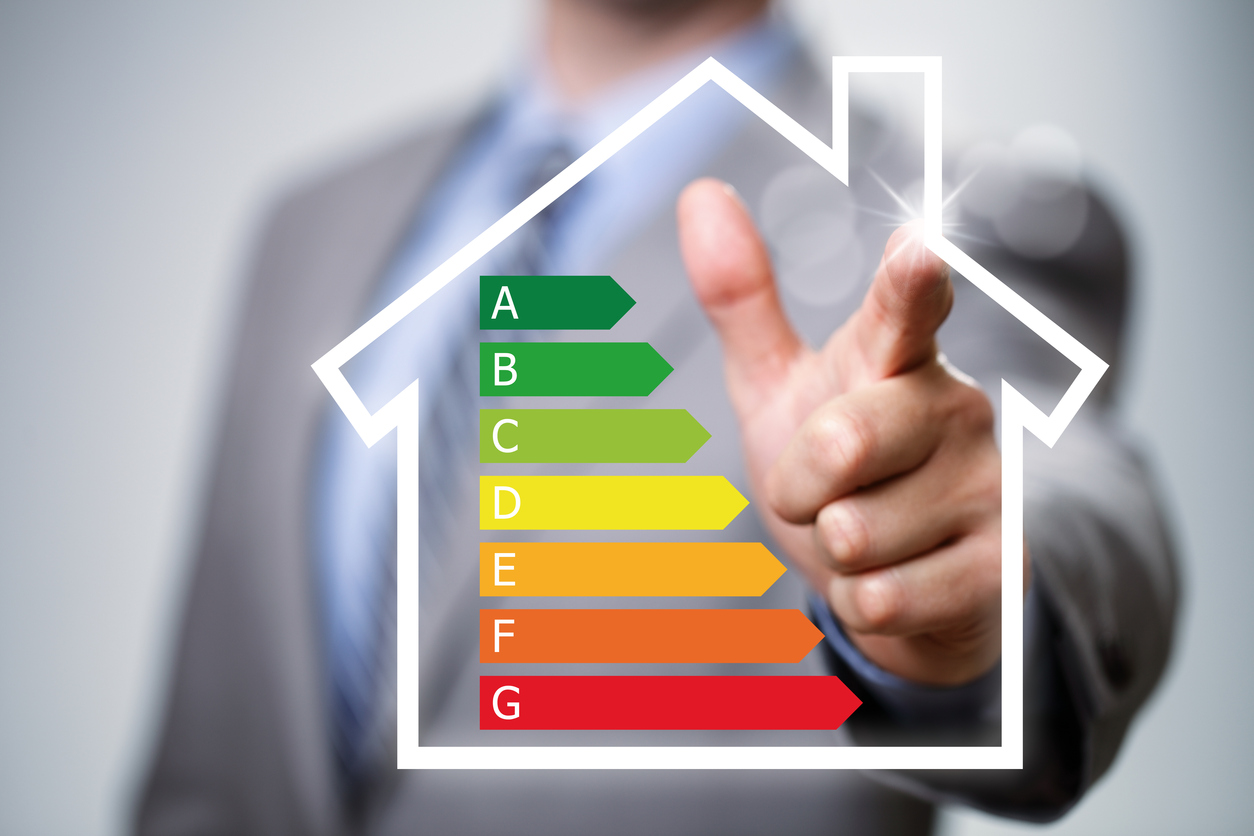
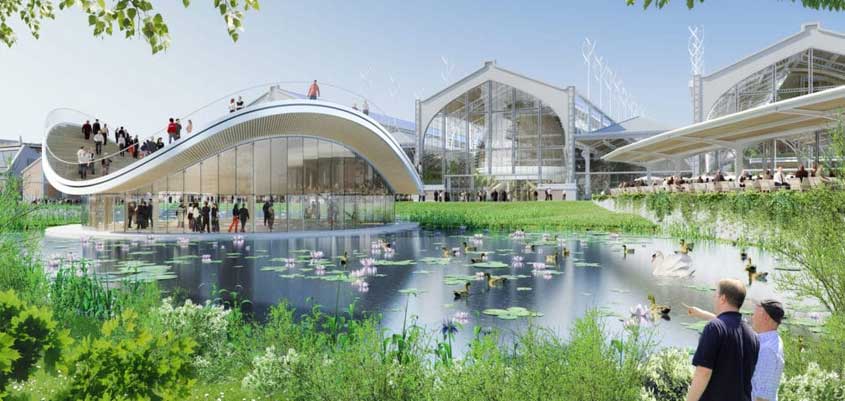
Los sistemas de ventilación mecánica son una revolución también para el mundo de la arquitectura y de la construcción. Desde la planificación de un edificio, la ventilación puede ofrecer grandes ventajas en eficiencia energética, además de mejorar la salubridad de los edificios. Todo ello da origen a un tipo de arquitectura de eficiencia energética. En la que a la hora de reducir costes se tiene en cuenta lo que gastará cada hogar, y no la inversión en construcción.
No existe un documento que enumere una a una las características de la arquitectura de eficiencia energética o sostenible, pero es un tipo de planificación de edificios que sigue las siguientes normas:
- Las condiciones climáticas de la zona influyen en la planificación de los edificios y se tienen en cuenta aspectos como los ecosistemas del entorno. Se aplicarán técnicas y estrategias para obtener el máximo rendimiento con el menor impacto.
- Si bien hace pocas décadas se optaba por minimizar los costes y encontrar materiales de precios económicos, en la arquitectura sostenible se abandona esa idea. Y se apuesta por unos materiales de construcción que requieran un coste energético menor.
- Por supuesto, dichos materiales de construcción han de posibilitar entornos que requieran de mucha menos intervención energética. Paredes que generen mayor estanqueidad y ventanas y puertas bien selladas, además de métodos para el aprovechamiento de la luz solar, o para protegernos de ella en verano.
- Se ha de apostar por fuentes de energía renovables para la generación de energía, tanto para la electricidad como para la climatización del hogar.
- Los sistemas de ventilación mecánicos son otra de las opciones que logran que este tipo de arquitectura pueda ofrecer un gran confort sin necesidad de sistemas de climatización tradicionales, como son la calefacción o el aire acondicionado.
- Desde que se empieza la planificación del edificio hasta que se acabe su vida útil será necesario plantear qué costes conllevará tanto la construcción como el uso del mismo edificio. Y minimizar esos gastos.
- Además de cumplir con estos preceptos en ahorro de suministros y eficiencia energética, ha de garantizarse al máximo la salubridad. Es imprescindible que la arquitectura sostenible dé solución a problemas muy importantes como la calidad del aire o la iluminación.
Para poder decir que se plantea una solución en arquitectura de eficiencia energética, hemos de tener en cuenta que la mayor parte del gasto que se produce en los edificios normalmente es por la climatización. Y por ello es altamente recomendable disponer de medios de refrigeración pasiva, algo en lo que hace hincapié la arquitectura sostenible.
Los medios pasivos de refrigeración pueden ser la cubierta ventilada o la fachada con efecto chimenea. No son los únicos. La colocación de las ventanas o la orientación al sol también tendrán vital importancia. Gran parte del ahorro en costes está relacionado con ello, e igualmente también importan los materiales que se utilicen en la construcción del edificio.
La producción energética también ha de ser sostenible en un edificio de construcción eficiente. Por ejemplo, pueden contar con placas solares o sistemas de recolección del agua de la lluvia. En este contexto, hay que saber que los edificios de consumo casi nulo, cuya implantación en todo el sector de la construcción será obligatoria en un año y medio, ya tienen en cuenta estas medidas.
La climatización en la arquitectura de eficiencia energética
En la arquitectura de eficiencia energética hemos de mirar de recortar notablemente el gasto en climatización, ya sea para calefactar o enfriar las estancias. En verano, algunas de las situaciones que plantea este modelo constructivo son las siguientes:- Protecciones frente al sol para evitar el calentamiento.
- Evitar los techos con vidrios.
- El mismo aislamiento que hemos comentado para mantener el calor sirve igualmente para que en los meses cálidos no penetre el sofoco veraniego.
- Ventilar los espacios donde se genere calor, como es la zona de cocinado.
- Usar sistemas de ventilación mecánicos.

Siber Ventilación
Entradas relacionadas

Sistemas de ventilación con caudal constante, ¿cómo funcionan?