Ventilación mecánica y aerotermia en edificios inteligentes
En ventilación y eficiencia energética es imprescindible encontrar una manera de lograr que una estancia alcance la temperatura de confort necesaria sin tener un gasto elevado en suministros. Y uno de los métodos que mejor funcionan es la aerotermia, un sistema eficiente de ventilación mecánica muy usado en casas pasivas para calentar estancias en invierno e incluso refrigerar en verano.
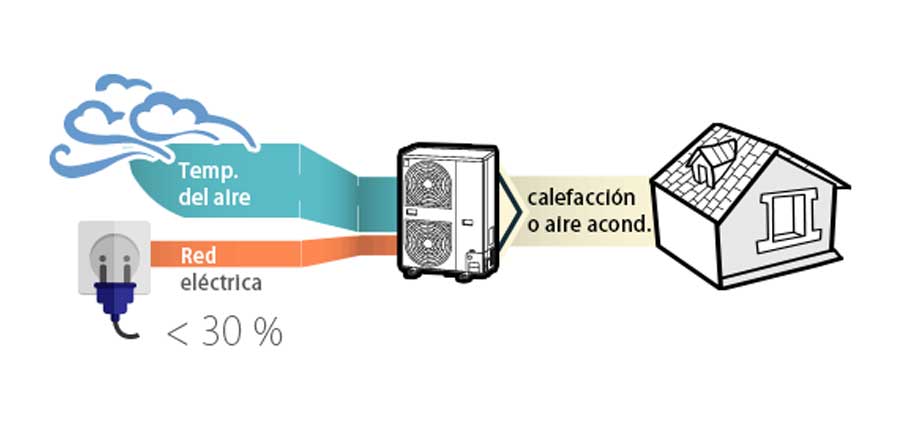
La aerotermia extrae energía del aire de la calle de manera eficiente gracias a una bomba de calor. Se reutiliza el aire de la calle, aunque sea muy frío, para poder calentar la estancia o el agua. Es capaz de aportar refrigeración en verano igualmente.
Para ello, el sistema aerotérmico extrae la energía contenida en el aire exterior para convertirla en calor dentro del hogar, lo que se conoce técnicamente como método frigorífico. Incluso funciona el sistema estando el exterior a temperaturas bajo cero. Convierten el frío en calor siendo además equipos capaces de llegar a aportar hasta un 78% de energía gratuita. El resto de la energía necesaria será de suministro eléctrico, nunca de combustión.
La bomba que sirve como sistema de ventilación mecánico es además renovable, por lo que los métodos aerotérmicos son los únicos aprobados para ser usados en casas pasivas. Este tipo de viviendas se caracteriza por no utilizar los sistemas tradicionales de climatización, que siempre han tenido un gran consumo energético.
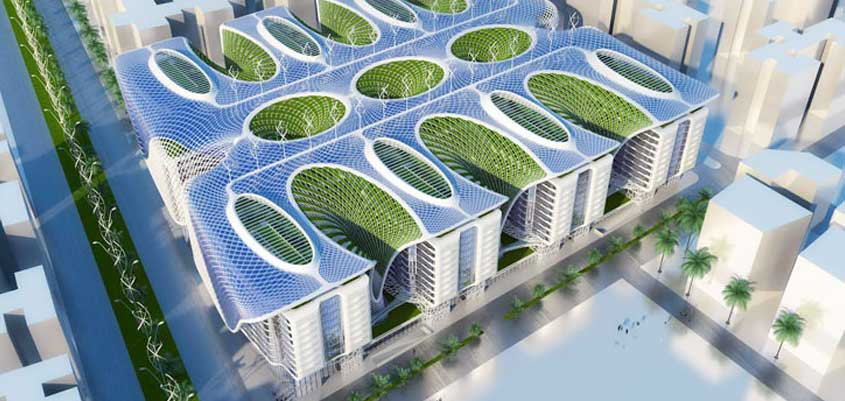
Los sistemas aerotérmicos son ideales en viviendas unifamiliares y construcciones de un tamaño medio. En la nueva construcción requiere que exista un espacio para albergar las unidades exteriores del equipo. Y es en los edificios inteligentes del presente y sobre todo del futuro donde la aerotermia puede significar un avance importante, incluso convertirse en una opción ganadora en ventilación.
Aerotermia en edificios de consumo casi nulo
Ya hemos comentado el caso de la construcción de consumo casi nulo. En España, el sector residencial supone el 17% del consumo energético del país, y por eso a partir de 2020 los edificios que se levanten en España tendrán que certificarse como de consumo casi nulo.
La normativa europea define que los edificios de consumo casi nulo son aquellos que tienen "un nivel de eficiencia energética muy alto porque requiere un nivel de energía casi nula o muy baja para funcionar y que en muy amplia medida esta energía procede de fuentes de energía renovables, bien producidas in situ o en el entorno".
Muchos de estos edificios son también considerados inteligentes. Aunque estos últimos se basan en utilizar la tecnología para diversos fines, también están diseñados para ahorrar más energía y ser eficientes. Algo que conecta directamente con los de consumo casi nulo.
Por eso, la aerotermia es un sistema ideal de cara al futuro en los edificios del mañana, si bien ya es parte del presente. En los edificios de consumo casi nulo, se exige que las viviendas consuma una energía para calefacción y refrigeración inferior a 30 kW/m2 al año. Los sistemas aerotérmicos y la ventilación mecánica controlada pueden lograr dichos valores gracias a sus ventajas.
- No se emiten humos ni hay combustión, nada ha de ser quemado.
- El aire que coge del exterior el sistema aerotérmico es gratuito. Utiliza el ciclo frigorífico directo en refrigeración e inverso. Calienta el agua y la estancia gracias al aire frío de la calle.
- Es sostenible.
- Solo se paga el consumo eléctrico, que en un sistema de aerotermia puede ser de más o menos el 22%, según expertos.
El uso de la aerotermia reduce notablemente la emisión de CO2como fuente energética y renovable, además, . Y ofrecerá una mayor independencia energética en España. ¿El reto del sector? Que los combustibles fósiles pasen a un segundo plano, algo que cada vez es más una realidad. Los sistemas aerotérmicos son renovables, y éstas fuentes de energía verde ya son el 40% de la producción energética de España. Más o menos el mismo porcentaje que en combustibles fósiles. La nuclear representa en la actualidad un 20%.

Siber Ventilación
Entradas relacionadas

Cómo insuflar y cómo extraer aire en espacios interiores
¿Cómo afectan las esporas a nuestra salud?